
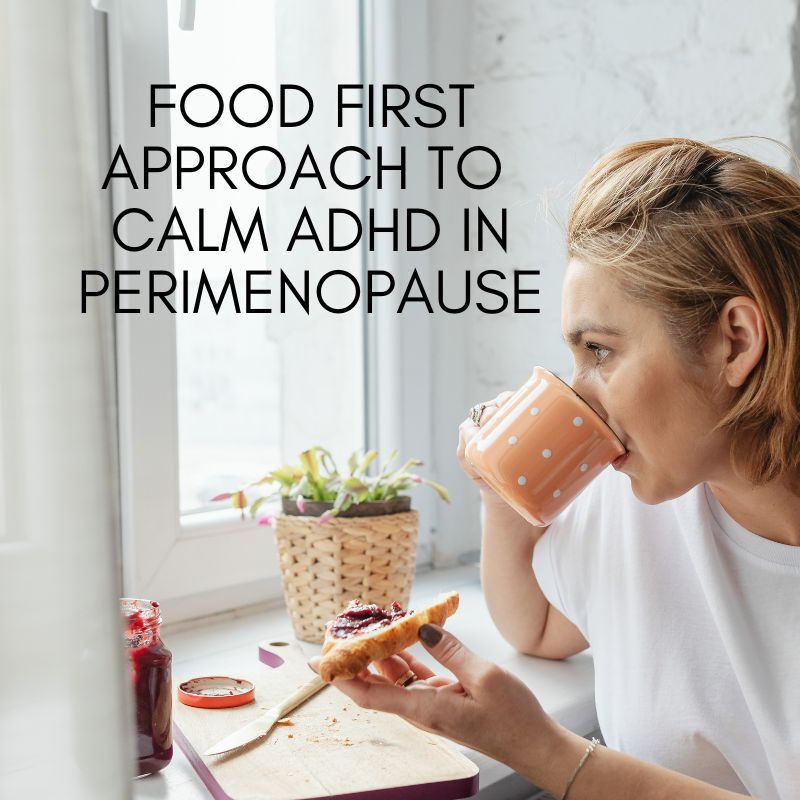
Do you find in your 40’s or beyond that you are becoming more forgetful, inconsistent, easily distracted, or “bad at follow-through? Attention Deficit Hyperactivity Disorder (ADHD) has shifted from something most people associated with hyperactive children to something that is now part of everyday conversation. ADHD in women is often misdiagnosed or goes unnoticed, as it presents differently than in men or children. Women are more likely to experience symptoms, such as difficulty concentrating or forgetfulness.
Here’s a typical example as discussed with a client recently.. She sat down to do a simple admin task that should have taken ten minutes. Instead, she didn’t. She made a cup of tea, tidied something that didn’t need tidying, scrolled through her phone for longer than she meant to, and somehow ended up starting three other things instead. None of them finished. Later, she managed to focus for hours on something completely different. Deep in it. Time disappears. She forgot to eat, or drink, or move. By the end of the day, she was tired, irritable and frustrated that simple things felt so… difficult to achieve.
That pattern – capable, but inconsistent – is something more and more adults are starting to recognise. These patterns can become more noticeable during periods of hormonal change. In women, this may include the premenstrual phase, perimenopause, or menopause. Shifts in hormone levels can influence mood, sleep, and cognitive function, sometimes making existing patterns feel more pronounced. Recognising these changes can be helpful when looking at the bigger picture.
Part of this is increased awareness. For years, ADHD was understood in a relatively narrow way, most often identified in boys who were visibly disruptive or impulsive. As a result, a large number of people were missed entirely, particularly those who were quieter, coped well academically, or internalised the struggle rather than expressing it outwardly.
Instead of recognising a pattern, many adults have spent years describing themselves as disorganised, forgetful, inconsistent, easily distracted, or “bad at follow-through”. They have found ways to cope, often successfully on the surface, but with a persistent sense that things take more effort than they should.
What has changed is not that ADHD has suddenly appeared everywhere, but that the language around it has expanded. With that shift, more people are able to recognise patterns in themselves that previously had no clear explanation.
What ADHD can look like in real life
It does not always look like distraction in the way people expect. In fact, one of the more confusing aspects is that it can include the ability to focus very well, just not always on the things that would make life easier.
You might recognise a tendency to put things off, even when you know they matter. Tasks that are relatively simple can feel disproportionately difficult to start, particularly if they are repetitive, admin-heavy, or vaguely defined. There is often a build-up of pressure, followed by a last-minute surge of focus where everything suddenly gets done at once.
Alongside this, there can be a sense of mental clutter. Too many tabs open, both literally and figuratively. Thoughts overlapping, plans half-formed, ideas started and abandoned. It is not a lack of ability, if anything the opposite, but the execution can feel unpredictable. That gap between knowing and doing is where much of the frustration sits.
A different way to understand it
It is very easy to interpret this pattern as a motivation problem, or a discipline issue. But that explanation does not fully account for what is happening.
At a basic level, many ADHD brains respond more strongly to interest, novelty and urgency than to importance. Tasks that are important but not immediately engaging can feel surprisingly difficult to initiate, even when there is a genuine intention to do them.
This is where the role of dopamine is often discussed. Dopamine is involved in motivation, reward and focus. When levels are lower or less consistent, the brain tends to seek out stimulation in order to engage. That might show up as scrolling, snacking, switching tasks, or avoiding something that feels flat or effortful.
Not because of a lack of willpower, but because the brain is attempting to generate enough activation to get started.
Once that pattern is in place, it can become self-reinforcing. Tasks are delayed, pressure builds, the task becomes more overwhelming, and avoidance increases. The eventual completion, often under time pressure, reinforces the cycle.
Understanding this can be quietly relieving. It shifts the focus away from personal failure and towards a pattern that can be worked with.
Why this matters even without a diagnosis
For some people, a formal ADHD assessment is helpful. It can provide clarity, context, and in some cases access to additional support. For others, simply recognising the pattern is enough to begin making changes.
The more useful question is often not “do I have ADHD?” but “what does my brain need in order to function better?” Because whether these patterns are related to ADHD, chronic stress, burnout, or simply the cumulative effect of modern life, the practical support strategies are often similar.
This is where the conversation becomes more useful. Not in terms of fixing everything, but in reducing friction and creating conditions in which focus, energy and follow-through are more likely.
Where foods come in
Energy plays a significant role in attention and focus. Long gaps without eating, reliance on sugar or caffeine, or irregular meals can contribute to fluctuations in energy that make concentration and decision-making more difficult.
Blood sugar in particular is worth understanding. When levels drop, the body releases stress hormones such as adrenaline and cortisol to bring them back up. These are the same hormones involved in the stress response, which can leave you feeling jittery, irritable, or mentally scattered.
Specific Nutrients which may help calm ADHD symptoms.
Magnesium – known for its calming effects. It helps regulate mood, supports sleep, and reduces anxiety. Found in nuts, whole grains, green leafy vegetables, cocoa powder, wheat germ, brewer’s yeast, buckwheat, beans, raisins, peas, soya, and crab.
Omega-3 fats – support brain health, improve focus, and stabilise mood—helpful for both ADHD and managing menopause-related emotional fluctuations. Found in Oily fish like sardines, mackerel, anchovies, salmon, nuts, seeds, seaweed, soya beans, tofu.
B vitamins – especially B6 and B12 play essential roles in brain function and mood regulation, which can help combat ADHD-related fatigue and emotional imbalances. Found in green leafy vegetables, whole grain cereals, nuts, bananas, avocados, brewer’s yeast, seeds, cheese, egg yolk, meat, fish, herring, oysters.
Simple, consistent patterns can help here. Eating regularly, including protein with meals, and paying attention to how different foods affect your energy can provide a more stable foundation. Nothing extreme, just more predictable input.
Sleep
Even short periods of disrupted sleep can make the brain more reactive and less able to manage competing demands. This can amplify the very patterns that feel frustrating during the day.
Consistency tends to matter more than perfection. Going to bed and waking at roughly the same time, reducing late caffeine, and allowing for a short wind-down period in the evening can all make a meaningful difference over time.
Structure, without overcomplication
A common response to these challenges is to try to become more organised. More lists, more systems, more plans. Often, this creates additional pressure when those systems are not maintained.
A simpler approach is usually more effective. Breaking tasks down further than feels necessary, reducing the number of decisions required, and making the first step clear can lower the barrier to getting started.
It is not about creating a perfect system. It is about creating something usable.
Reducing overload
When everything feels important, it becomes difficult to prioritise anything. This is not a failure of discipline, but a reflection of cognitive overload.
Starting smaller tends to be more effective. One task, one decision, one action. Building momentum gradually rather than attempting to tackle everything at once.
Small, repeatable actions create more progress than occasional bursts of effort.
Where support can help
Most people do not struggle because they lack information. They struggle because applying that information consistently, especially in the context of a full life, is difficult.
This is where support becomes useful. A health coaching or lifestyle-based approach can help to identify patterns, reduce overwhelm, and build practical strategies that fit your day-to-day reality. It is less about doing more and more about doing the right things in a way that is sustainable.
For those exploring ADHD more formally, speaking to a GP or qualified professional is an appropriate next step. For others, working on the foundations of sleep, food, structure and daily habits can make a meaningful difference, regardless of diagnosis.
Working with a BANT Certified Nutritional Therapist can be a powerful way of tuning into your own body, equipping you with the knowledge to recognise these signs when they present themselves, and make positive changes to benefit your long-term health and wellbeing.
What to try next
If parts of this feel familiar, it does not mean something is wrong with you. It may simply mean that your brain works in a way that responds differently to the demands placed on it.
With the right support, and the right conditions, those patterns can become easier to manage. Not perfectly, and not all at once, but in ways that make daily life feel more manageable and less effortful. That is a worthwhile place to start.
If you would like to explore further how foods can help, I offer one-to-one online support and can devise a bespoke nutrition plan. If you have questions, why not book a FREE Mini Health Review, to explain your situation and explore Nutritional Therapy solutions to suit your needs?
You can also subscribe to my bi-monthly newsletter with nutrition tips, recipes and special offers on the products and services I offer (check the link in footer).
Wishing you well.
Lucie
BA, Dip NT, mBANT
Examining the Link Between ADHD Symptoms and Menopausal Experiences